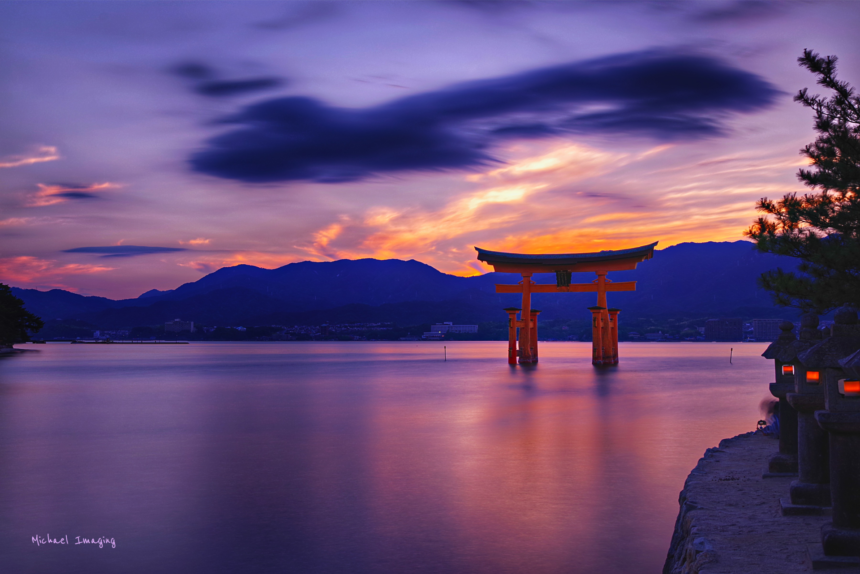
Hiroshima Prefecture has two world cultural heritage sites, Miyajima / Itsukushima Shrine and the Atomic Bomb Dome. Blessed with nature, you can enjoy oysters and other seafood from the Seto Inland Sea, okonomiyaki, lemons and other Hiroshima gourmet foods, as well as the spectacular views of the Seto Inland Sea and the unique islands.
1.Miyajima area
“Miyajima” is one of the three most scenic spots in Japan. Itsukushima Shrine and Misen Primitive Forest on the island are registered as World Cultural Heritage Sites.
Many wild animals live in Miyajima, which is full of nature, and there are sika deer, raccoon dogs, and wild birds. In addition, gourmet food is a must for sightseeing in Miyajima. Not only the famous Momiji Manju, but also Miyajima’s two major gourmet oysters and conger eels are a must!
・Itsukushima shrine
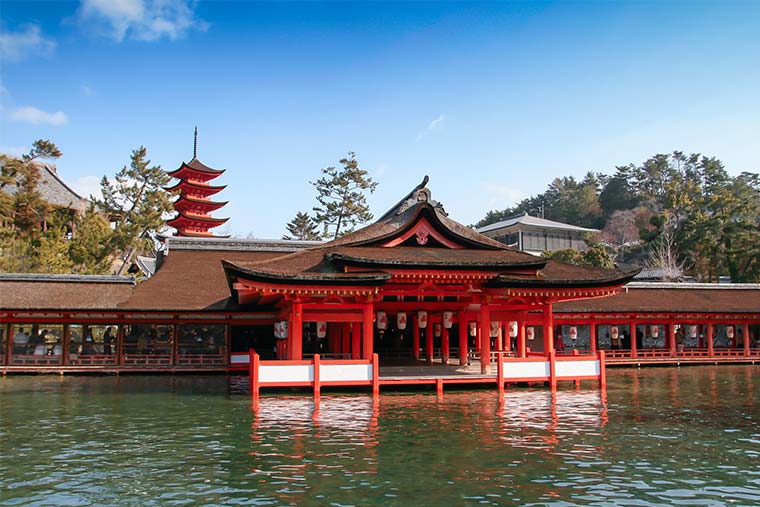
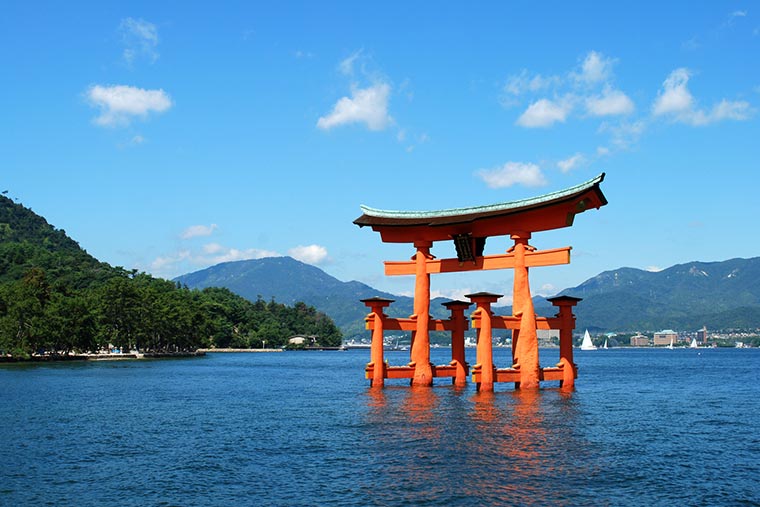
Itsukushima Shrine is a mysterious sight that stands in the sea and the shrine is floating in the sea at high tide. Founded by Saeki no Kuramoto at the end of the 6th century during the time of Empress Suiko, the current elegant Shinden-zukuri shrine is built by Taira no Kiyomori. In 1996, it was registered as a World Cultural Heritage SitItsukushima Shrine Otorii
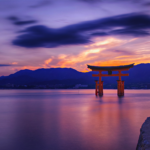
The large torii gate, which can be said to be the symbol of Miyajima, stands about 200m off the main hall of worship, and is made of natural camphor tree. The height is about 16m, and the circumference of the main pillar is about 10m. It is lit up every night, and you can see a fantastic night view that is different from the daytime.
※Otorii has undergone a large-scale preservation and repair work since June 17, 2019, and the entire torii is covered with a sheet. The end time of the construction is undecided.
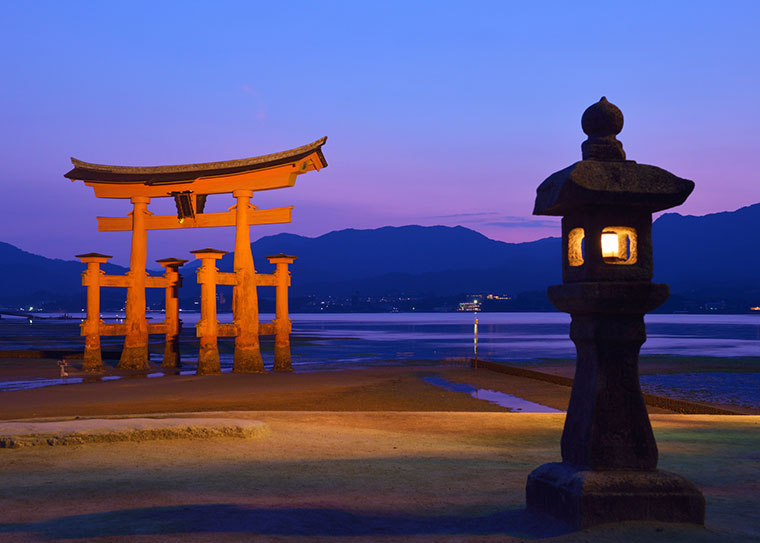
At low tide, a sandy beach appears, and it continues from Arinoura to Mikasahama and Otorii. You can also go through the Otorii. Also known as a spot for the setting sun, the view of the setting sun behind the Otorii is superb! You can also enjoy the illuminated appearance at night.
2.the atomic bomb Dome
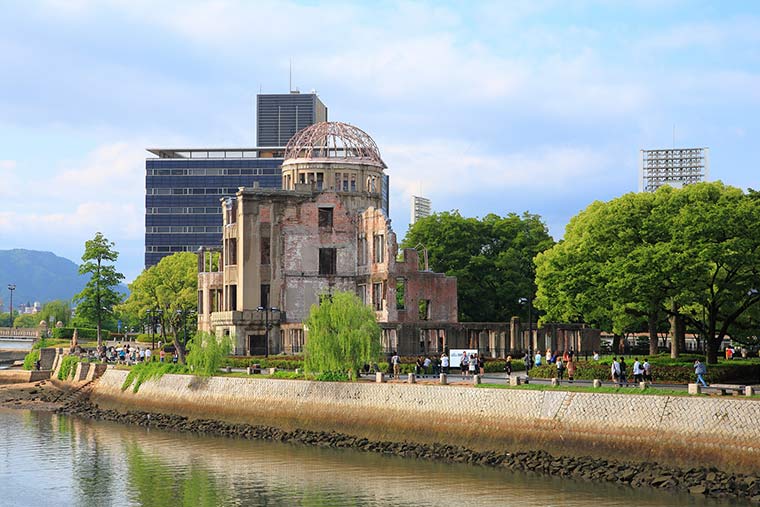
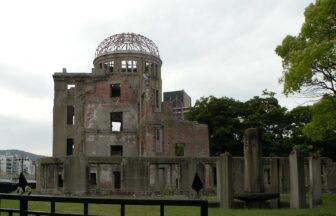
The “Atomic Bomb Dome”, which was dropped on Hiroshima at 8:15 on August 6, 1945, conveys the tragedy of the first atomic bomb in human history. Standing along the Motoyasu River, a tributary of the Ota River, almost as it was at the time of the bombing, it conveys the misery of war and nuclear weapons to the present day. In 1996, it was registered as a World Cultural Heritage Site.
This building was built in 1915 as a facility for displaying and selling products in Hiroshima Prefecture, and held Hiroshima Prefecture art exhibitions and expositions. You cannot enter the interior and only the exterior can be seen, and it is lit up from sunset to sunrise.
・Hiroshima Peace Memorial Museum
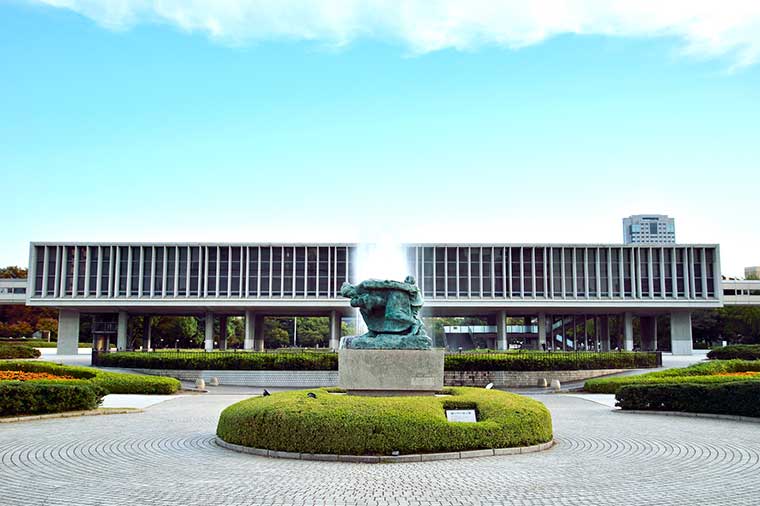
A museum opened in 1955 with the aim of communicating the misery of the atomic bomb to people all over the world and contributing to the abolition of nuclear weapons and the realization of lasting peace in the world. The renewal work has been underway since 2014, but it was completed in 2019, and the permanent exhibitions of all the main and east buildings are now available for viewing.
In the main building, photographs and materials showing the devastation of the atomic bombing are exhibited, including the relics of the people who were exposed to the atomic bomb. At the East Building, you can learn about the history of Hiroshima before and after the bombing and the dangers of nuclear weapons. We also hold hands-on lectures by A-bomb survivors and lend out materials for peace learning.
・Okonomimura
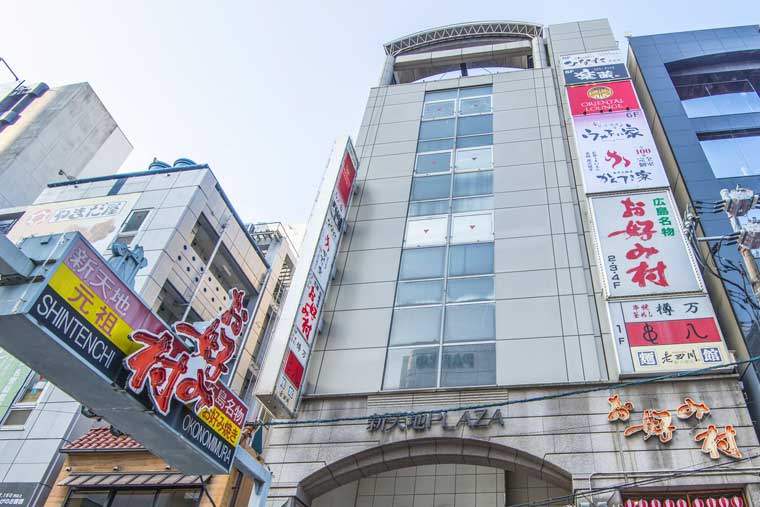
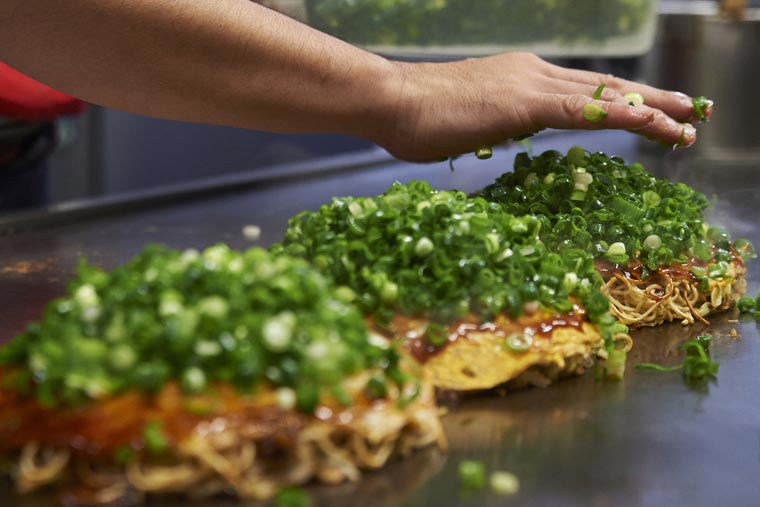
“Okonomimura” is a collection of more than 20 shops offering Hiroshima’s soul food and Hiroshima-style okonomiyaki. After the war, about 50 stalls gathered in Shintenchi Square in the center of Hiroshima City, and after a two-story prefabricated store, it became the shape of the current building.
Hiroshima-style okonomiyaki is made by putting ingredients such as cabbage, bean sprouts, and pork on a thinly stretched dough, turning it over, and combining it with stir-fried soba. One of the real pleasures is that it is baked on the iron plate in front of you.
・Hiroshima castle
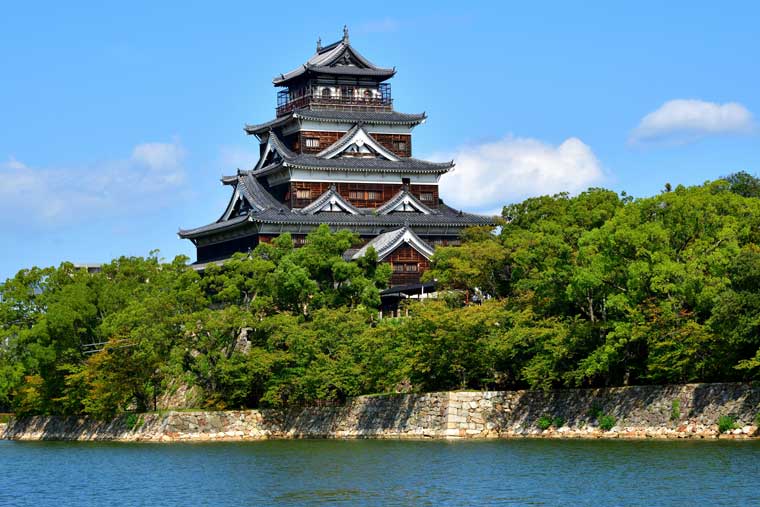
“Hiroshima Castle” was built in 1589 by Terumoto Mori, the grandson of Mori Motonari. It was once completely destroyed by the atomic bomb, but the castle tower was rebuilt in 1958. Ninomaru’s front gate, Hirayagura, Tamonyagura, and Taikoyagura were also restored to their Edo period by 1994.
Hiroshima Castle is also called “Rijo”, and this “carp” (= carp) is the origin of the name “Hiroshima Toyo Carp”.

この記事へのコメントはありません。